 Hyperlambda

Three months ago my son had never written a line of code. He didn't know what a backend was. If you had told him "a backend is, for all practical purposes, an API", he would have nodded politely and asked what an API was.
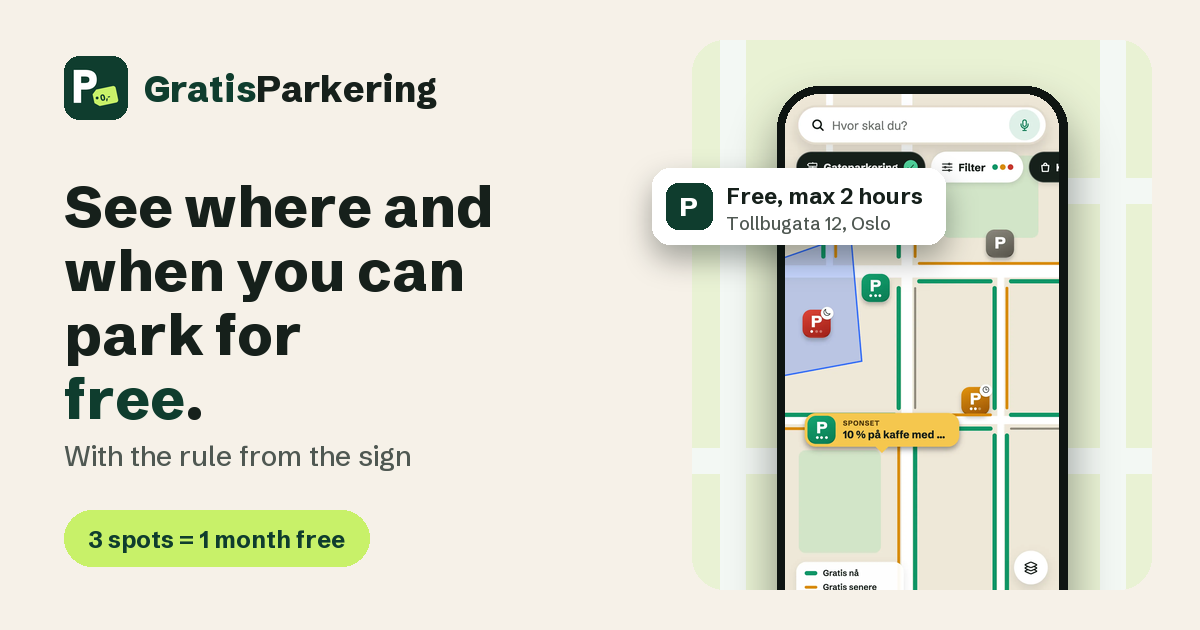
Today he runs GratisParkering, a parking app that is live on iPhone and Android, with over 700 approved free parking spots across Norway and about 40,000 street parking spaces in Oslo, every single one carrying the rule from the sign.
He built it by talking to Claude, with Claude connected to Magic over MCP. The API, the database, the website and the admin dashboard all run on Magic. I am so proud of him I can barely type.
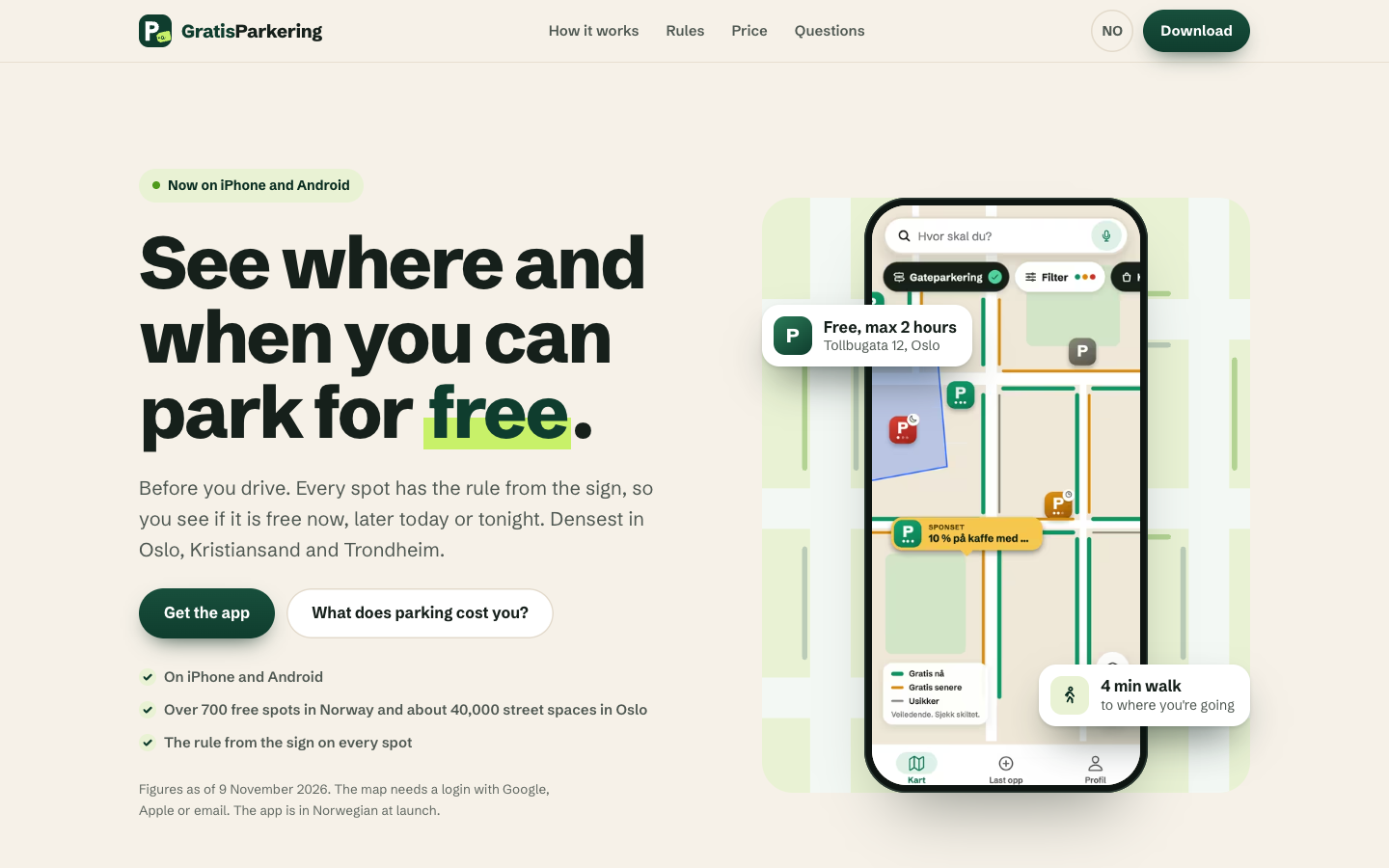
One note before you reach for your phone: the app is only available in Norway, and it is in Norwegian. Sorry, rest of the world. The English website shows you what you are missing.
What the app does
The idea is beautifully simple. Parking in central Oslo costs up to 93 kr an hour. Park three times a week for two hours and you pay close to 13,000 kr a year. Yet there are free spots all over the city, if you know where they are and what the sign says.
GratisParkering knows. You search for where you are going, pick a free spot nearby, and drive straight there.
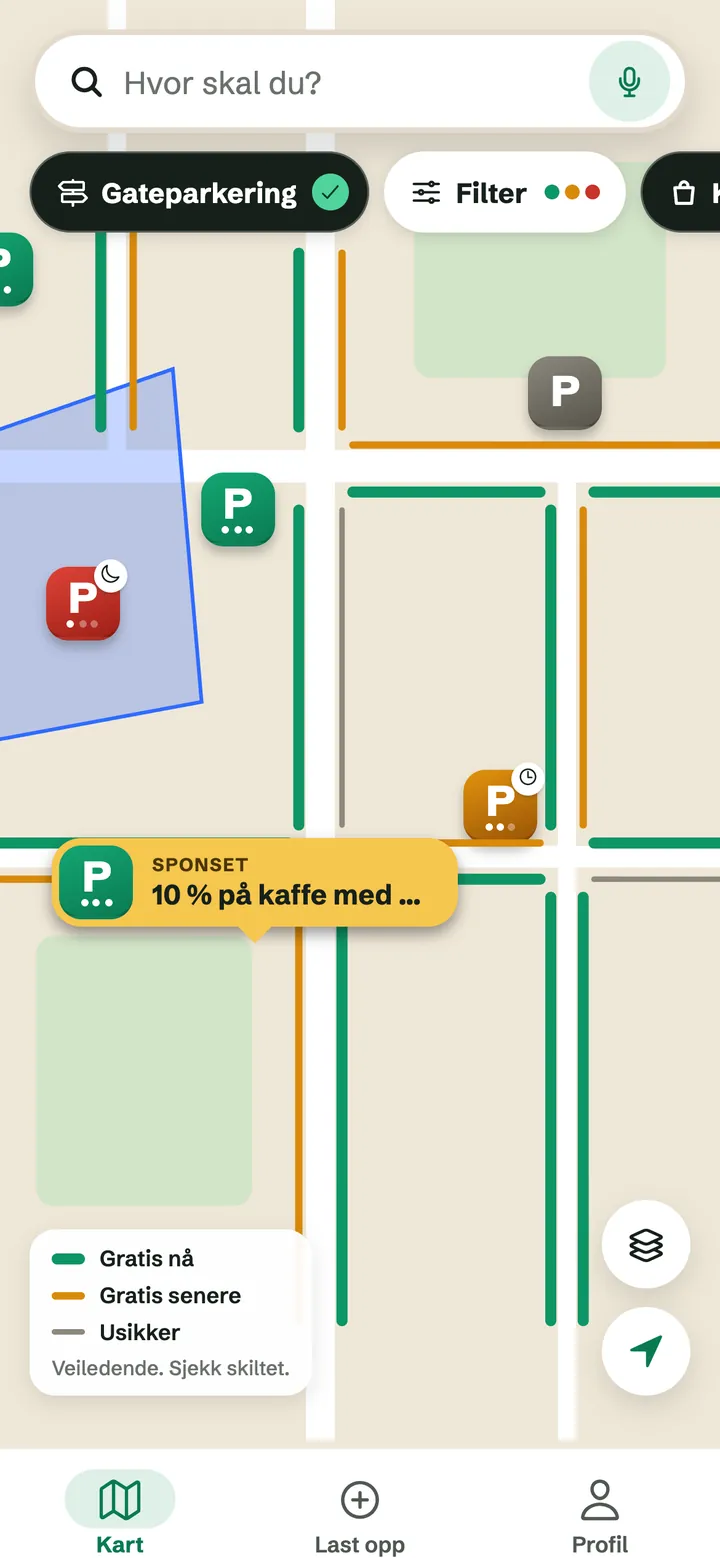
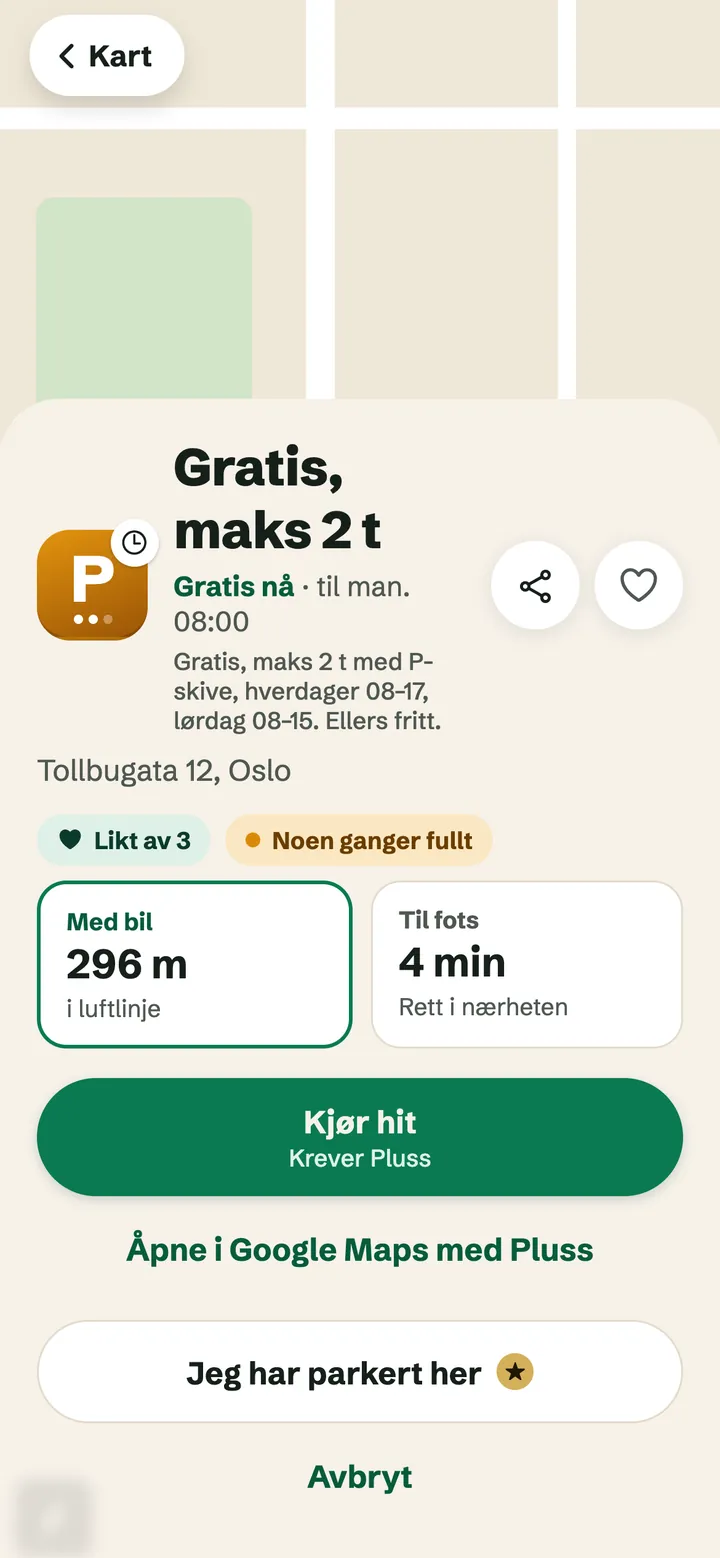
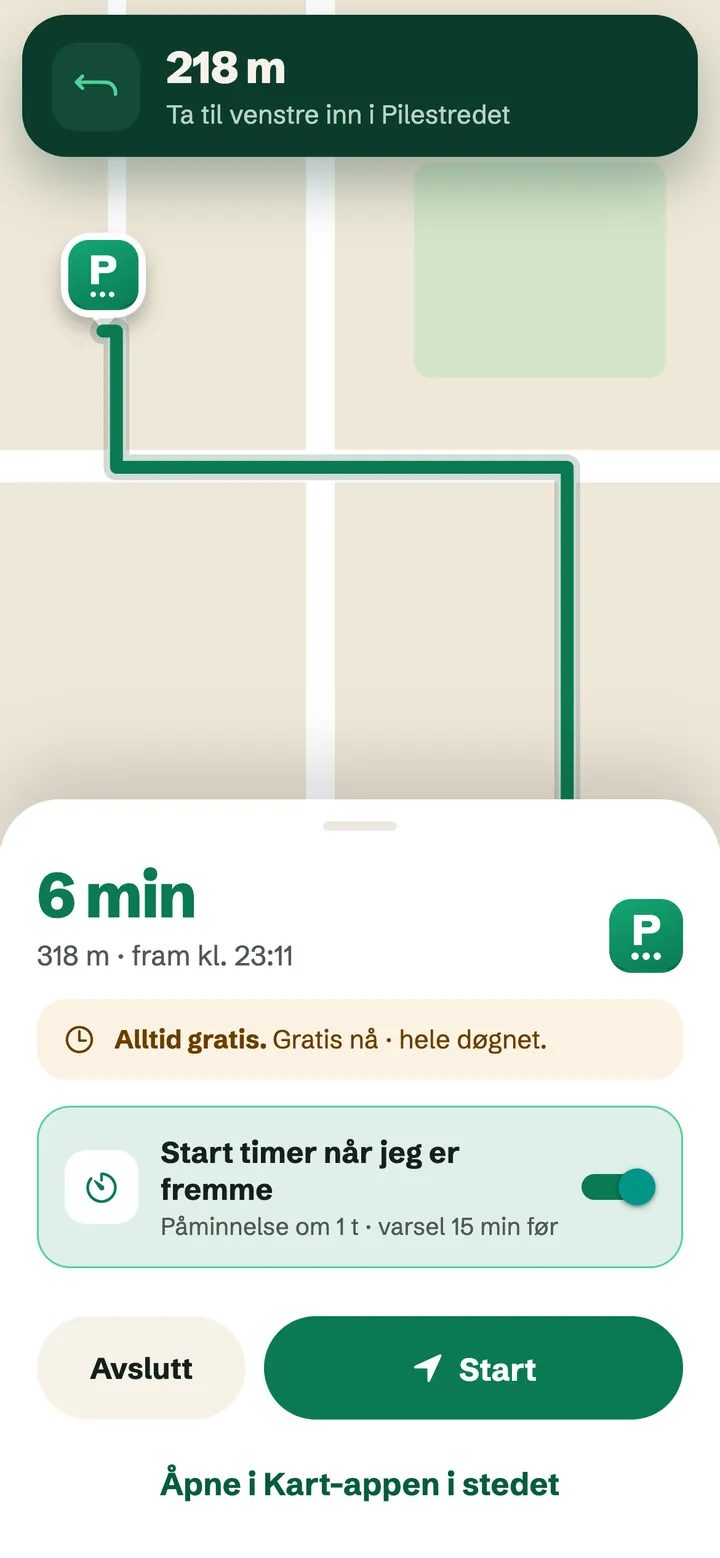
Search, pick, drive. Three steps. But behind those three steps sits an enormous amount of machinery.
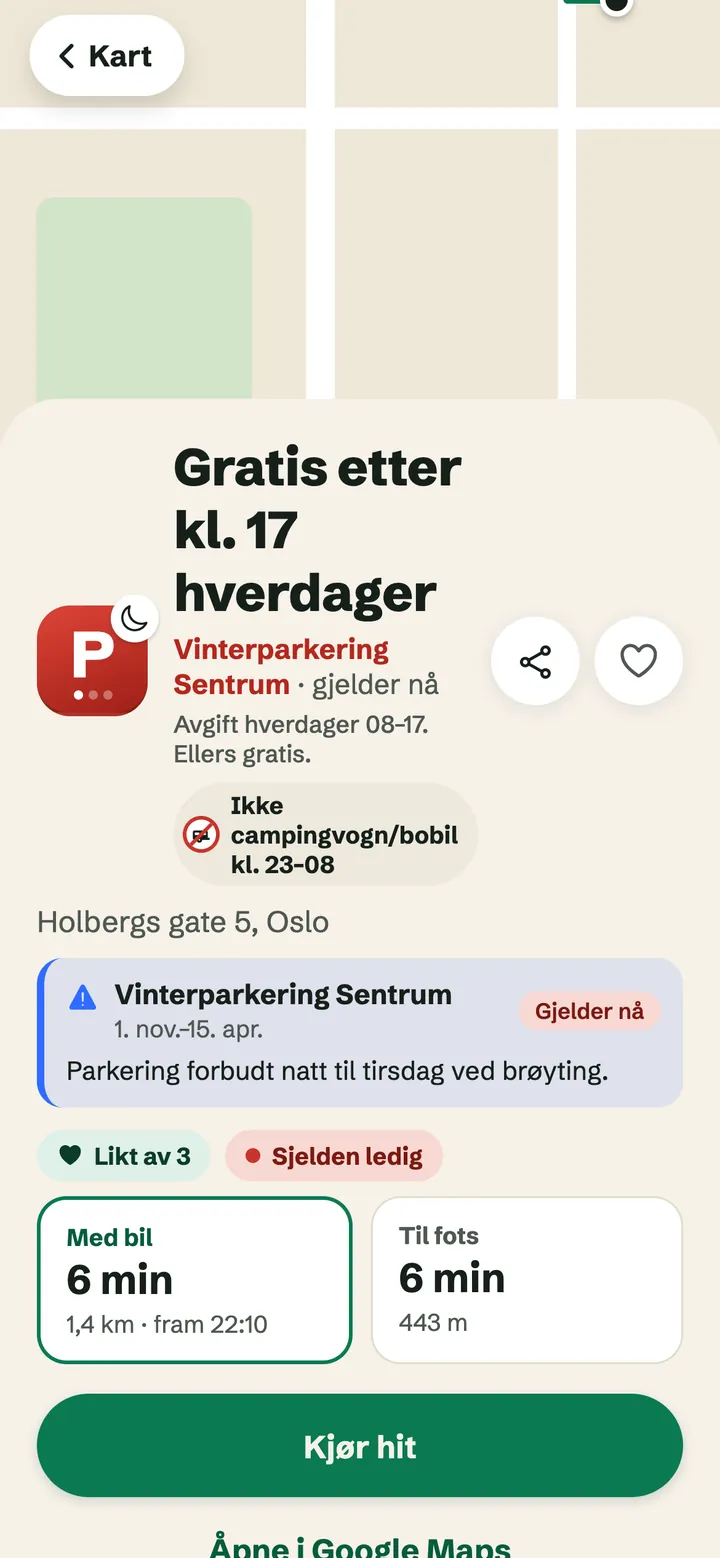
Every spot carries the rule from the sign. Always free. Free after a set time. Free with a time limit. Residents' parking that is free for everyone outside paid hours. Free is not always free, so the app tells you when it is free, before you drive, not after the ticket is on your windscreen.
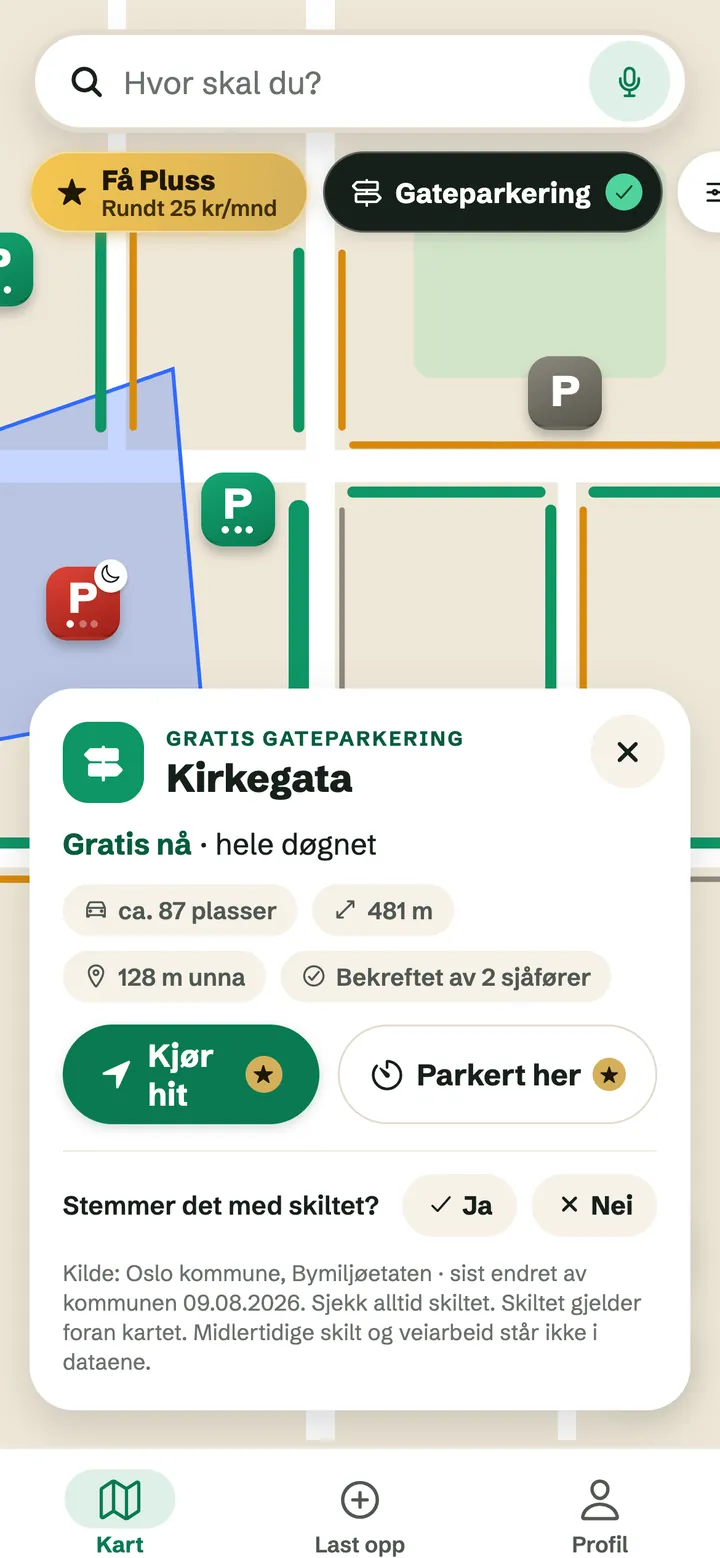
Street parking in Oslo and Trondheim. The map doesn't just show dots. It colours the curbs themselves, built from the cities' own open data: green for free now, amber for free later today, grey where the rule can't be read for certain. Tap a stretch and you get its rule, how many spaces it has, and how far you'll walk.
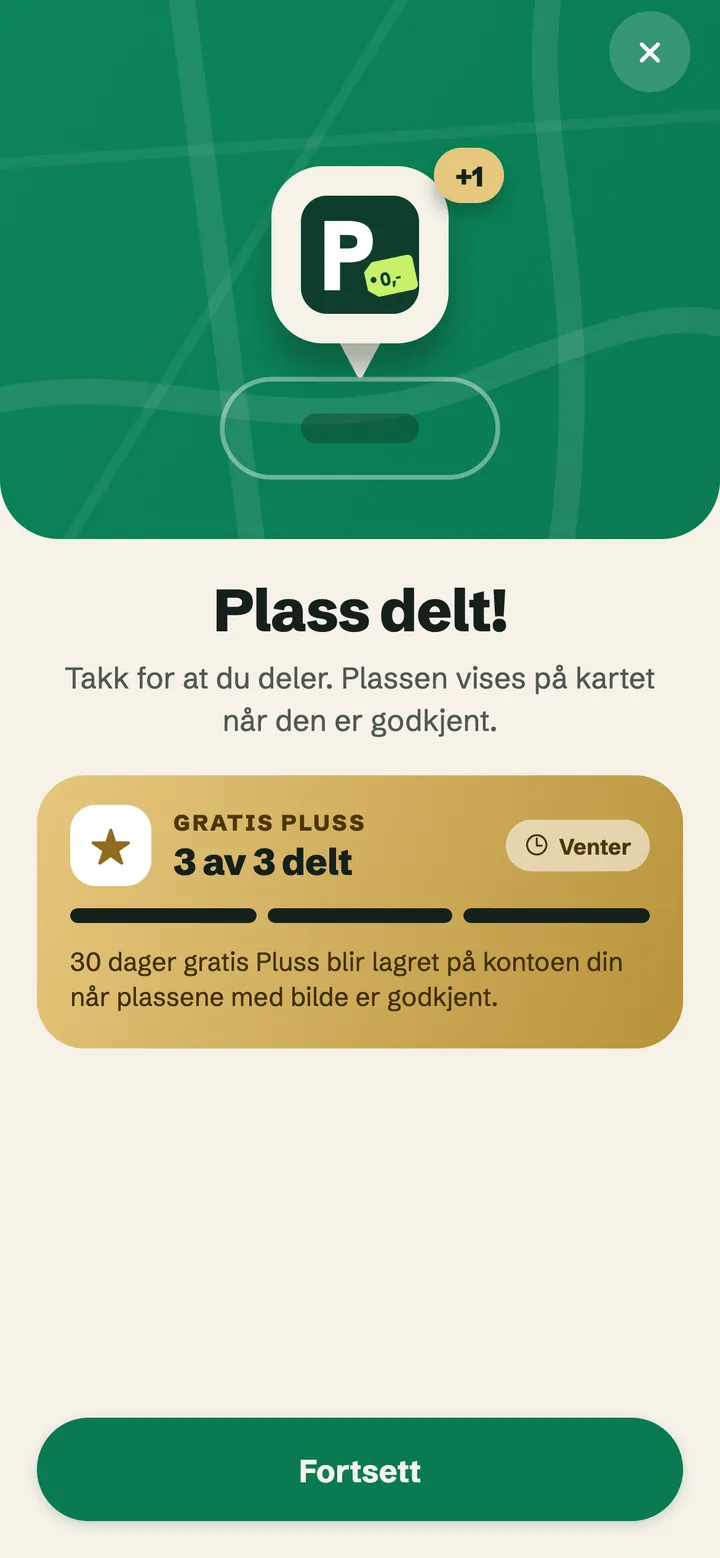
A community that grows the map. Drivers photograph a spot and its sign, pick the rule and mark it on the map. A moderator checks every submission before it shows as approved. Share three approved spots and you get a month of the paid tier for free. The data pipeline also pulls in Parkeringsregisteret, the Norwegian Public Roads Administration's register of parking areas, and checks those spots before they show.
A real subscription business. Pluss costs 49 kr a month or 299 kr a year and adds turn-by-turn directions to the spot, a parking timer that reminds you to move the car, alerts before winter parking and zone rules kick in, an offline map and unlimited favourites. Purchases run through RevenueCat on both stores.
Push notifications, in-app messages, Google, Apple and email sign-in, account deletion, a bilingual website, privacy pages, a support page. All of it. Everything a serious consumer app needs, built by someone who started from nothing in late summer.
The algorithm
This is the part that made my jaw drop.
A free spot is worthless if somebody else is parked in it when you arrive. So my son built a model that estimates the statistical probability that a free spot will actually be available at the place the map is leading you to. The app shows it plainly on every spot: usually free, sometimes full, rarely free. You compare spots by distance, rule and the odds that you'll actually get one.
Think about what that means. A person who three months ago didn't know what an API was designed a probability model for parking availability, wired it into a backend, and shipped it to two app stores. That is not a to-do app. That is not a weekend CRUD demo. That is a product.
Everything behind the app is Magic
The native app itself is the only part that isn't built on Magic. Everything it talks to is:
- The API. Every endpoint the app calls is Hyperlambda on a Magic cloudlet.
- The database. Spots, rules, street stretches, users, submissions, moderation, subscriptions, analytics.
- The website.gratisparkering.net is served by Magic, in Norwegian and English, with city pages for Oslo, Kristiansand, Trondheim, Bergen, Drammen and Sandnes.
- The admin dashboard. Inbox, map, people, growth, deals, design and keys: the whole back office.
And he didn't write any of it the traditional way. He told Claude what he wanted. Claude, connected to his Magic cloudlet over MCP, created the tables, generated the endpoints, wrote the Hyperlambda, built the dashboard and deployed it, live, as it went. There was no "and now we deploy" step, because on Magic the thing the AI builds is already running.
The dashboard
If the app made my jaw drop, the admin dashboard made me sit down.
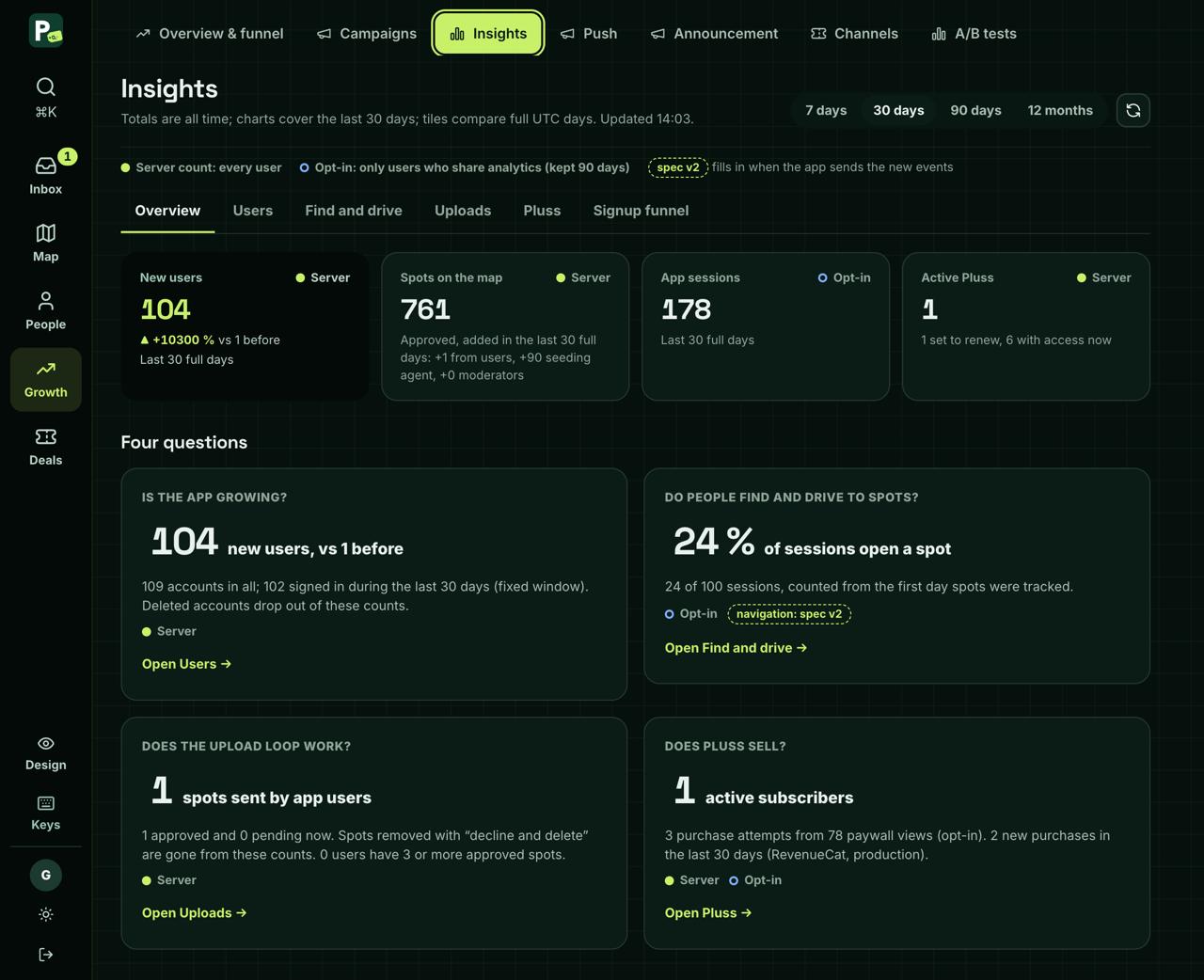
This is the Insights page. Look at how it is organised. Not a wall of vanity metrics but four questions: Is the app growing? Do people find and drive to spots? Does the upload loop work? Does Pluss sell? Each card answers one question and links to the page that digs deeper.
Now look at the small labels. Every number is marked Server or Opt-in. Server counts cover every user and need no consent. Opt-in numbers come only from users who share analytics, and that data is kept for 90 days. Newer metrics are tagged spec v2 and fill in once the app ships the events that feed them. That is privacy-aware analytics design, done properly, by a beginner. I have worked with senior engineers who would not have thought of it.
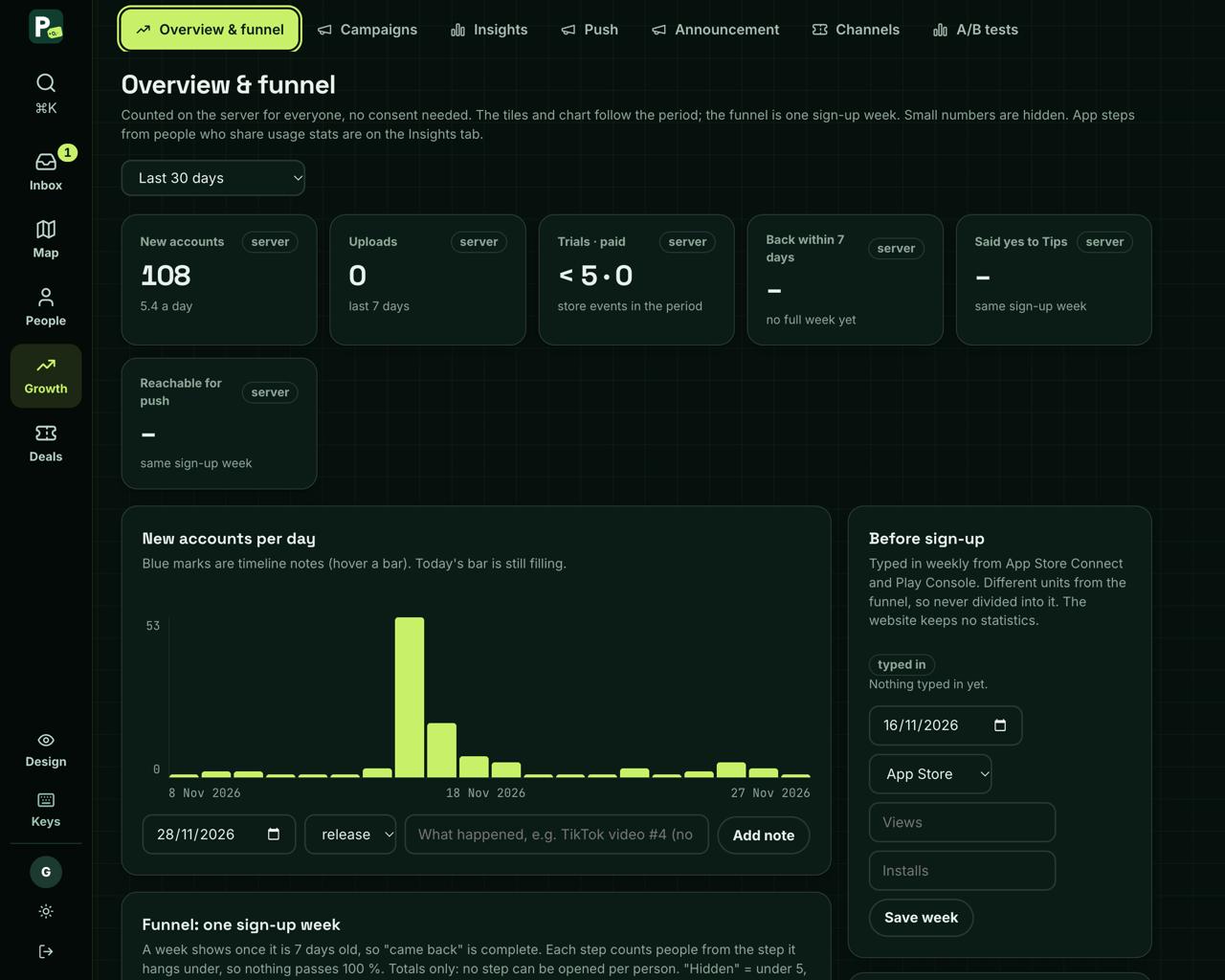
Overview & funnel. New accounts per day, with timeline notes you can pin to the chart ("TikTok video #4") so you can see which launch or post caused which spike. A sign-up-week funnel that only shows a week once it is seven days old, so "came back" is complete, and that hides any step under five people so nobody can be singled out. A panel for typing in App Store Connect and Play Console numbers each week, deliberately kept apart from the funnel because they are different units.
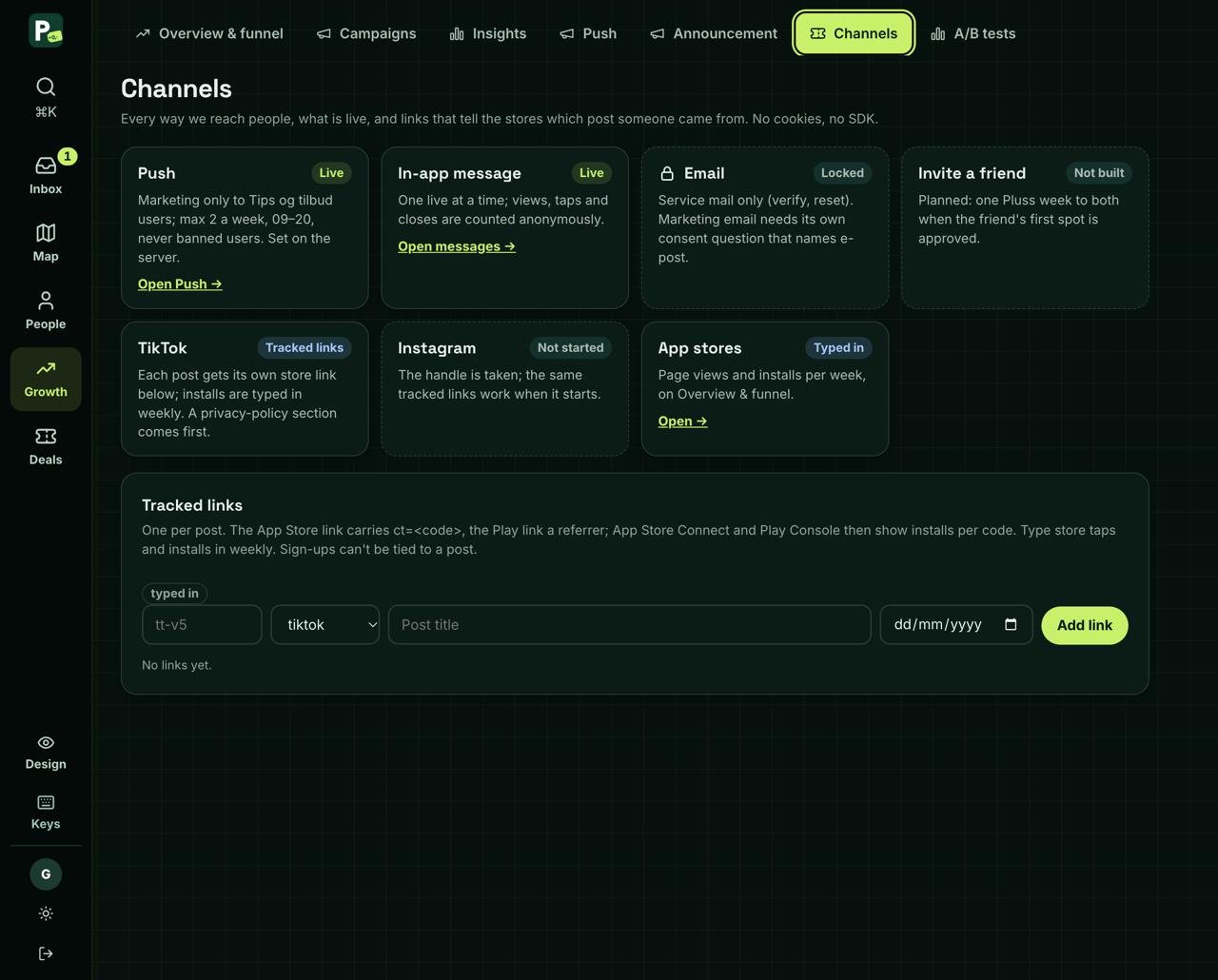
Channels. Every way the app reaches people and what state it is in. Push marketing goes only to users who said yes to tips, at most twice a week, between 09:00 and 20:00, and never to banned users. In-app messages count views, taps and closes anonymously. Marketing email stays locked until it has its own consent question. And then there are tracked store links: one per TikTok post, carrying a campaign code to the App Store and a referrer to Google Play, so the store consoles show installs per post. No cookies. No SDK.
Three months. Zero experience. Read those screenshots again.
He owns every byte of it
Here is the part I want every founder who is building on Lovable, Bolt or Replit to read twice.
My son owns all of it. Not "you can export the frontend". All of it. The database, the API, the website, the dashboard, every Hyperlambda file Claude ever wrote for him. It is plain files and a plain database on a cloudlet running MIT-licensed open source. If he wants to, he can download the whole thing tonight.
And then he can put it on a $12 DigitalOcean droplet and be running again in about ten minutes. That is not a figure of speech. Magic installs on a droplet with one copy-paste. Copy the files, copy the database, point the domain, done. No rebuild. No migration project. No SDK calling a backend he can't take with him.
Compare that to the prompt-to-app platforms. There, your app lives in their database, on their runtime, behind their auth, and it works exactly as long as you keep paying rent. I wrote about that in Vibe Coding Without a Landlord.
GratisParkering is the proof of that argument in production. A first-time builder vibe coded a complex, revenue-generating consumer app, end to end, and he holds the deed to every part of it. That is what a Lovable killer looks like. Not a nicer chat box. A platform where the thing you build is yours, is already deployed, and can walk out the door with you in ten minutes for twelve dollars a month.
What this means for you
If a person who didn't know what an API was can build this in three months, what can your team build?
Magic gives Claude, or any AI agent, a real backend to build on: a database, an API layer, auth and roles, a web server, scheduled tasks and a native MCP server, all in one deployable unit that you own. The AI does the typing. You keep the keys.
- Get a managed cloudlet, or
- Self-host it on a $12 droplet and pay nothing at all.
Then connect Claude and start talking.
Proud dad
I have been writing code since I was eight. I invented Hyperlambda and built Magic, and I have spent years arguing that AI plus the right runtime would let ordinary people build extraordinary things.
I didn't expect the proof to come from my own son.
He didn't ask me for help. He didn't need it. He sat down with Claude and Magic and built a product that real people in Norway use every day to save real money. Next time you're in Oslo, download GratisParkering and park for free.
I'm the proudest dad on the planet.
Frequently asked questions
What is GratisParkering?
GratisParkering is a Norwegian parking app for iPhone and Android that shows where and when you can park for free. Every spot carries the rule from the sign, street parking in Oslo and Trondheim is coloured by when it is free, and a probability model estimates how likely a spot is to be available when you arrive.
Who built GratisParkering?
Thomas Hansen's son, who had no prior coding experience three months before launch. He built the backend, website and admin dashboard by talking to Claude, with Claude connected to Magic over MCP.
What parts of GratisParkering run on Magic?
Everything except the native app itself: the API, the database, the website at gratisparkering.net and the admin dashboard with its growth analytics, funnel and channel tracking.
Can the app be moved off its current hosting?
Yes. Magic is MIT-licensed open source, and the database and all the code are plain files the owner can download at any time. Moving it to a 12 dollar DigitalOcean droplet takes about ten minutes.
Is GratisParkering available outside Norway?
Not at the moment. The app is only available in Norway and is in Norwegian. The website has an English translation.